

 See My Latest Article on HelloNation
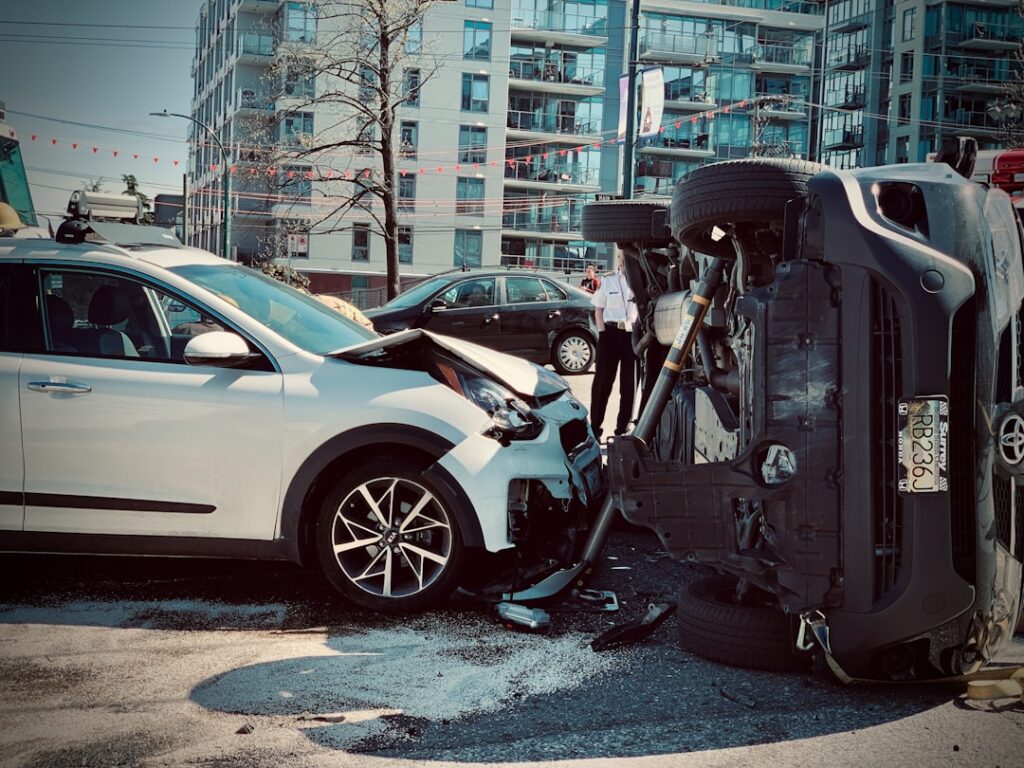
What Should You Do Immediately After a Car Accident for Insurance?
Right after a crash in Alpharetta, GA, ensure everyone’s safety first, then gather the information that insurance companies require. Georgia law expects drivers to stop and exchange relevant details after an accident. Move vehicles out of traffic if it’s safe to do so and turn on hazard lights.
If anyone is injured, call 911 for emergency assistance. Even for minor collisions, consider notifying local police—having an official accident report can be crucial for your insurance claim.
What Information Do Insurance Companies Need in Alpharetta?
Insurance claims go smoother when you collect the right details at the scene. You’ll need to document:
- Names, addresses, and contact information for all drivers and passengers involved
- Insurance company names and policy numbers
- Driver's license numbers and license plate numbers
- Vehicle makes, models, and color
- Location of the accident (include landmarks, street names, and cross streets when possible)
- Photos of the scene, vehicle damage, and relevant road signs or signals
- Police report information (including the officer’s name and badge number, if a report is filed)
Residents sometimes overlook the importance of clear photos—these can settle disputes about fault or damages later.
When Do You Need to Call the Alpharetta Police or File a Police Report?
Georgia law requires you to call the police if anyone is injured, killed, or if damages appear to exceed $500. In many cases, the true cost of repairs isn't clear at the scene, so filing a report is a safe choice. An official report is often requested by insurance companies, even for minor collisions.
After the police document the incident, ask how to obtain the report; it may be ready online or at the local department in a few days. This record helps resolve questions about what happened, even if stories differ later on.
What Details Should You Avoid Discussing at the Scene?
While cooperation is essential, avoid admitting fault or making speculative statements about what caused the accident. Fault determination is handled by adjusters, not drivers.
It’s appropriate to exchange contact and insurance details, but avoid phrases such as “I’m sorry” or discussing who was to blame—such statements can complicate claims later. Focus only on objective details for your insurance documentation.
How Quickly Should You Notify Your Insurance Company?
Georgia insurers generally expect prompt notification about any car accident. The sooner you report, the easier it is to recall key facts and meet policy deadlines. Delays can make the claims process longer and sometimes reduce coverage options.
Contact your agent or insurer as soon as practical, ideally within 24 hours, and have your documentation ready for questions about what happened, who was involved, and what was damaged.

What Mistakes Do Local Drivers Make After an Accident?
Many area drivers believe small collisions don’t require official documentation. Some may accept cash to settle minor damages privately. This can create issues if injuries surface days later or if the other driver changes their story, leaving you without legal or insurance support.
Others forget to take photos or collect all the other driver's information, which can stall or limit any future claim. It’s rarely possible to gather missing details after both parties leave the scene.
Are There Special Considerations for Accidents During Alpharetta’s Peak Traffic or Weather Events?
Weather and traffic patterns in the city can impact both accidents and insurance claims. On rainy afternoons or during high volume near schools or shopping centers, accidents are more common and police may need extra time to respond. Use extra caution and document road conditions or visibility; insurers sometimes ask about weather or time of day.
During severe weather, if local police are unable to respond, drivers may be instructed to exchange information and file a report at the nearest police station as soon as feasible.
How Do You Get a Copy of the Police Report for Insurance?
For most collisions investigated by law enforcement in the city, accident reports are available from the responding department. You may be able to obtain a copy online, in person, or by mail after a few business days. Insurance companies often request the report number and a printed copy when processing claims.
Check with the local police department for instructions, and have your case number ready. Documentation from an official source can validate your claim if fault or damages are disputed.
What if You Discover Injuries or Damage Days Later?
Symptoms or car issues aren’t always apparent at the scene. If pain, stiffness, or car trouble appear after an accident, inform your insurance company as soon as possible—ideally within your policy’s notice period.
Georgia insurance claims allow for “late notice” when delays are reasonable, but documenting the timeline from the start can avoid disputes. Medical and repair providers may also request your claim number for billing.
Why Does Documentation Matter So Much for Alpharetta Area Residents?
Accurate documentation protects both vehicle owners and passengers, especially in a community with a high mix of commuters, families, and busy roadways. Complete records prevent confusion during multi-vehicle incidents or claims involving out-of-town drivers. Good notes and clear photos make it easier to resolve claims without protracted disputes or unnecessary delays.